Introduction to Periodontal Diseases (Gum Diseases)
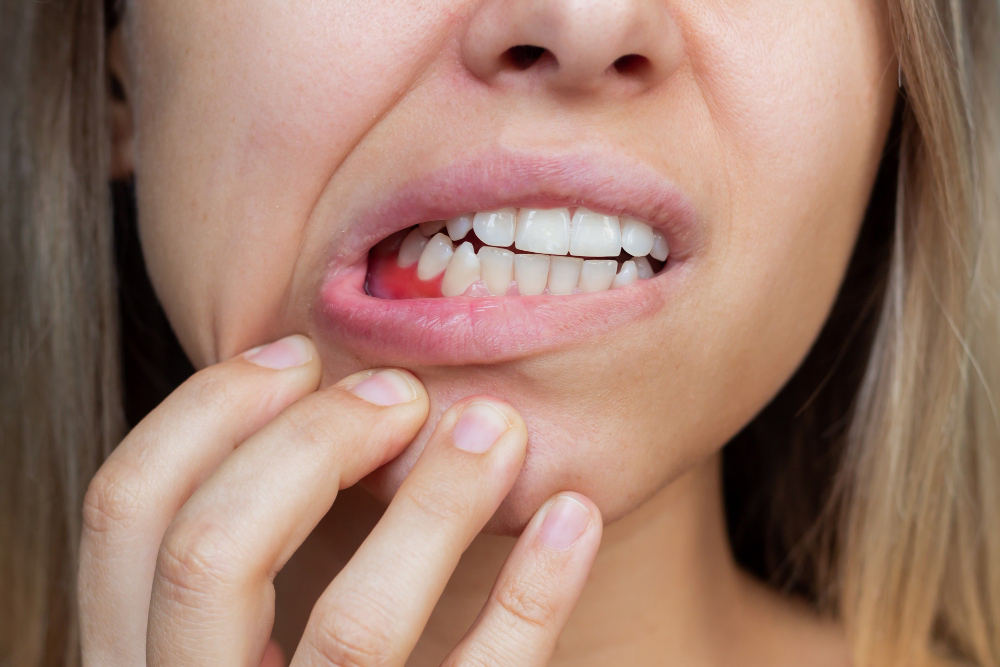
Periodontal diseases, also called gum diseases, affect the tissues that support your teeth. These conditions can range from mild gum swelling to serious infections. Early on, you may notice only slight discomfort. However, if left untreated, periodontal diseases can lead to tooth loss. According to the CDC, gum diseases are common and can affect people of all ages. Because of this, understanding periodontal disease symptoms and prevention is important for everyone.
Common Symptoms
Recognizing the signs of gum disease early can help you get treatment quickly. For example, you may notice:
Sometimes, symptoms are mild at first. Still, it is important to pay attention to any changes in your mouth.
Main Causes and Risk Factors
Gum diseases usually start with plaque, a sticky film of bacteria on your teeth. Over time, plaque hardens into tartar, which can only be removed by a dentist. But several factors can increase your risk, such as:
Because these factors can make gum disease worse, it is important to know your risks.
Diagnosis Methods
To diagnose periodontal diseases, your dentist will check your gums and teeth. Usually, they will:
Early diagnosis helps prevent serious problems. Therefore, regular dental check-ups are important for everyone.
Treatment Options
Gum disease treatment depends on how severe the problem is. For mild cases, your dentist may suggest:
For advanced cases, you may need:
Because early treatment works best, do not wait if you notice symptoms.
Prevention Tips and Oral Hygiene Guidance
Preventing gum disease is possible with good daily habits. For example, you can:
With these oral health tips, you can lower your risk of periodontal diseases. In addition, teaching children good habits helps protect their smiles for life.
When to See a Dentist
If you notice any signs of gum disease, such as bleeding gums or bad breath, make an appointment with your dentist. Even if you have no symptoms, regular visits help catch problems early. For those seeking gum disease care in your area, many dental clinics offer expert help and advice. Remember, early action can save your teeth and gums.
For personalized advice on gum health, consult a dentist at Sri Krishna Dental Clinic today.