What Is a Dental Crown?
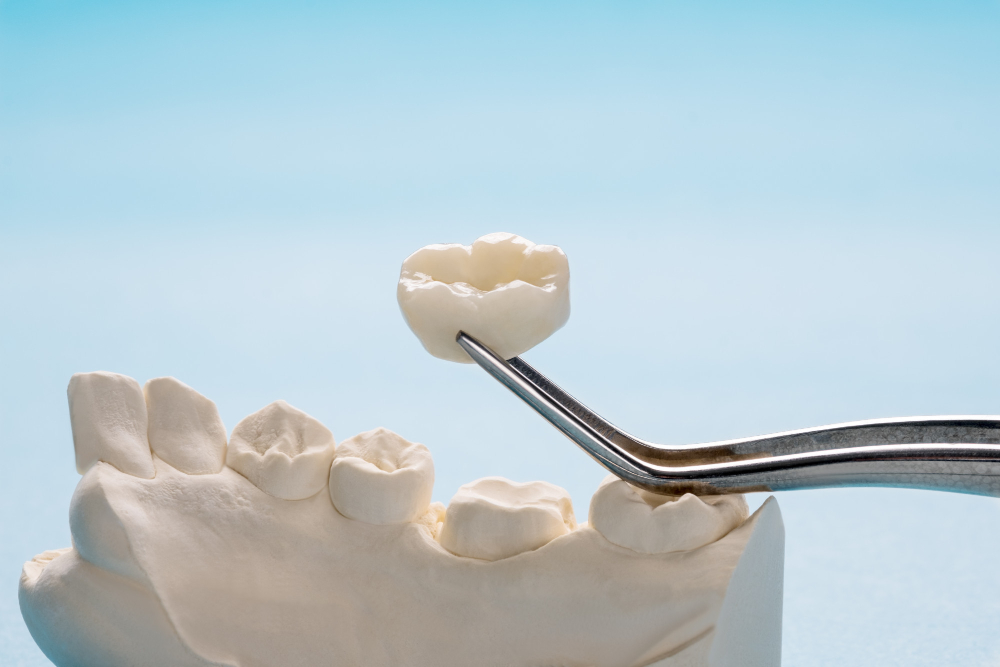
A dental crown is a cap that covers a damaged tooth. It looks and feels like a natural tooth. Dentists use crowns to protect, restore, or improve the look of teeth. In many cases, a crown helps save a tooth that might otherwise be lost. But why is a crown needed? Let’s explore the reasons and benefits.
Reasons Why a Crown Is Needed
There are several reasons why you might need a dental crown. Often, a crown is the best way to fix or protect a tooth. Here are some common reasons:
In addition, dental crowns offer many benefits. They restore function, improve appearance, and help you chew better. When do you need a crown? Your dentist will help you decide based on your tooth’s condition.
Symptoms or Signs That May Indicate the Need for a Crown
Sometimes, you may notice signs that suggest you need a dental crown. For example, you might feel pain when biting down. Or, you may see a crack or chip in your tooth. Other signs include:
If you notice any of these symptoms, it is important to see your dentist. Early care can prevent bigger problems later.
Diagnosis: How Dentists Determine If a Crown Is Necessary
First, your dentist will examine your teeth and gums. They may take X-rays to check for hidden damage. Next, your dentist will look for cracks, decay, or weak spots. If a filling or other treatment will not work, a crown may be the best choice. Dentists follow guidelines from trusted sources like the American Dental Association to make these decisions.
Treatment Process: What to Expect When Getting a Crown
Getting a dental crown usually takes two visits. Here is what you can expect during the dental crown procedure:
Most people find the process easy and comfortable. After the procedure, you can use your tooth as normal.
Prevention and Care Tips for Dental Crowns
Once you have a crown, you want it to last. With good care, crowns can last many years. Here are some tips:
By following these steps, you can protect your crown and your natural teeth.
Summary
In summary, dental crowns help restore and protect teeth. They are used for many reasons, such as decay, cracks, or after a root canal. If you notice pain, cracks, or other changes in your teeth, see your dentist. Early treatment can save your tooth and prevent more problems. Dental crown benefits include better chewing, a natural look, and long-lasting results.
Consult your dentist Sri Krishna Dental Clinic to find out if a dental crown is right for you.