Choosing the right braces can feel confusing. Many people wonder about self ligating braces and traditional braces. Both options help straighten teeth, but they work in different ways. In this blog, we will explain what self ligating braces are, how they compare to traditional braces, and which option might suit you best. Understanding these braces treatment options can help you make an informed choice for your smile.
What Are Self-Ligating Braces?
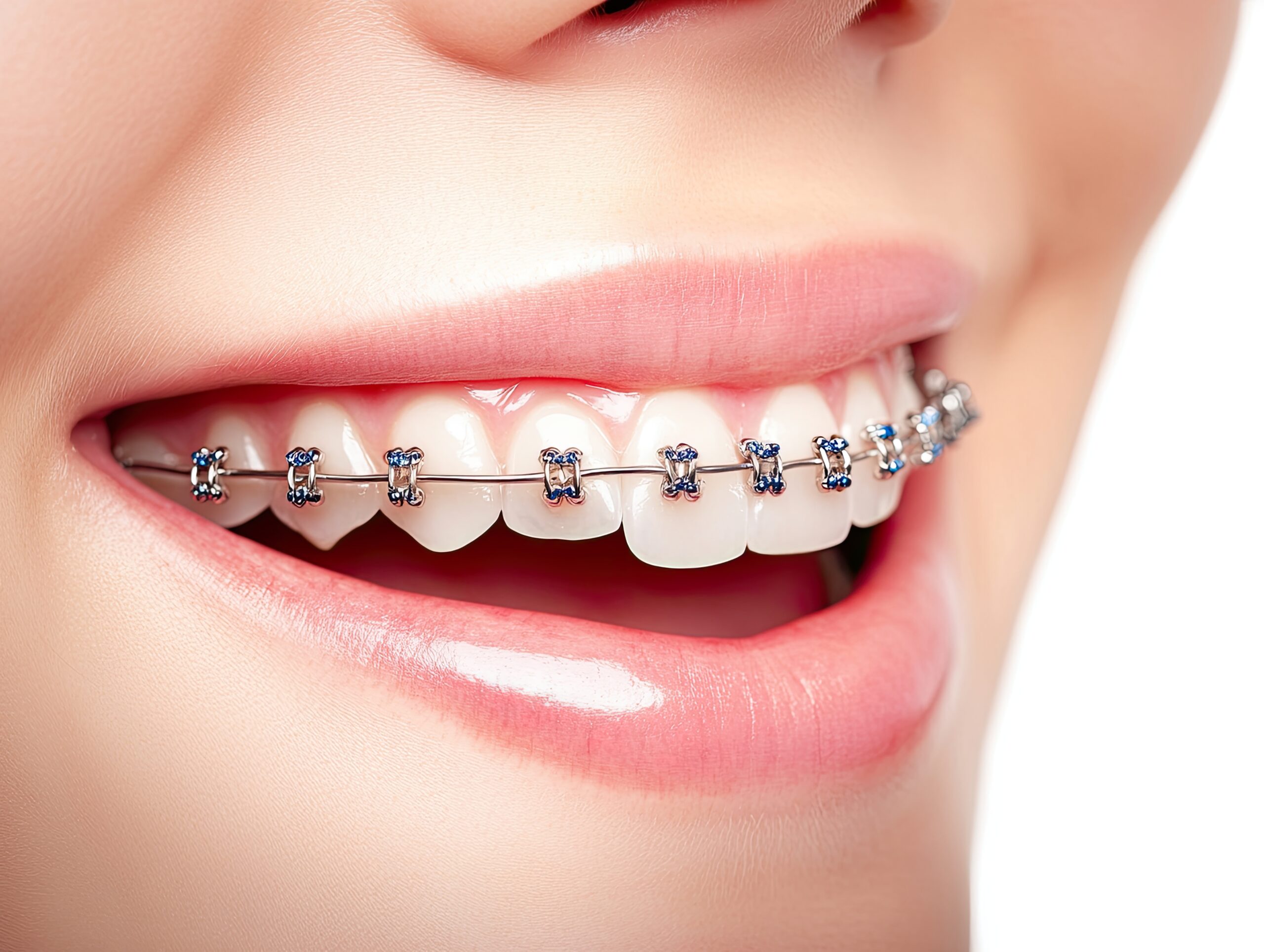
Self ligating braces are a modern type of dental braces. Unlike traditional braces, they do not use elastic bands to hold the wire in place. Instead, they have a special clip or door that holds the wire. Because of this design, self ligating braces can move teeth with less friction. Many people find them easier to clean. According to the American Association of Orthodontists, self ligating braces can be a good choice for many patients.
What Are Traditional Braces?
Traditional braces are the most common type of braces. They use metal brackets and wires to move teeth. Small rubber bands, also called ligatures, hold the wire to the brackets. Over time, the orthodontist tightens the wire to shift your teeth. Traditional braces have been used for many years and are known for their effectiveness. For many people, they are a trusted choice for straightening teeth.
Key Differences Between Self-Ligating and Traditional Braces
Although both types straighten teeth, there are some important differences. Let’s look at how self ligating braces and traditional braces compare:
Because of these differences, your orthodontist may recommend one type over the other.
Pros and Cons of Self-Ligating Braces
Self ligating braces have several benefits, but they also have some drawbacks. Here are the main points to consider:
Still, many people choose self ligating braces for their comfort and easy care.
Pros and Cons of Traditional Braces
Traditional braces remain popular for many reasons. However, they also have some downsides. Let’s review the main pros and cons:
Because traditional braces are so reliable, many orthodontists still recommend them.
Which Option Is Right for You?
Choosing between self ligating braces and traditional braces depends on your needs. For example, if you want fewer visits and easier cleaning, self ligating braces may be better. On the other hand, if cost is a concern, traditional braces might be the right choice. Your orthodontist will look at your teeth and suggest the best braces treatment option for you. In some cases, certain dental problems need traditional braces for the best results.
Remember, both self ligating braces and traditional braces can give you a healthy, straight smile. However, each person’s needs are different. Always talk to a qualified orthodontist before making a decision.
.
Consult a qualified orthodontist at Sri Krishna Dental Clinic to find out which type of braces is best for your needs.