Introduction
When it comes to improving your smile, you may wonder about dental veneers vs dental crowns. Both options are popular in cosmetic dentistry and tooth restoration. However, they serve different purposes. In this blog, we will explain what each treatment is, their benefits, and how to choose the right one for your smile makeover. Understanding these choices can help you make an informed decision.
What Are Dental Veneers?
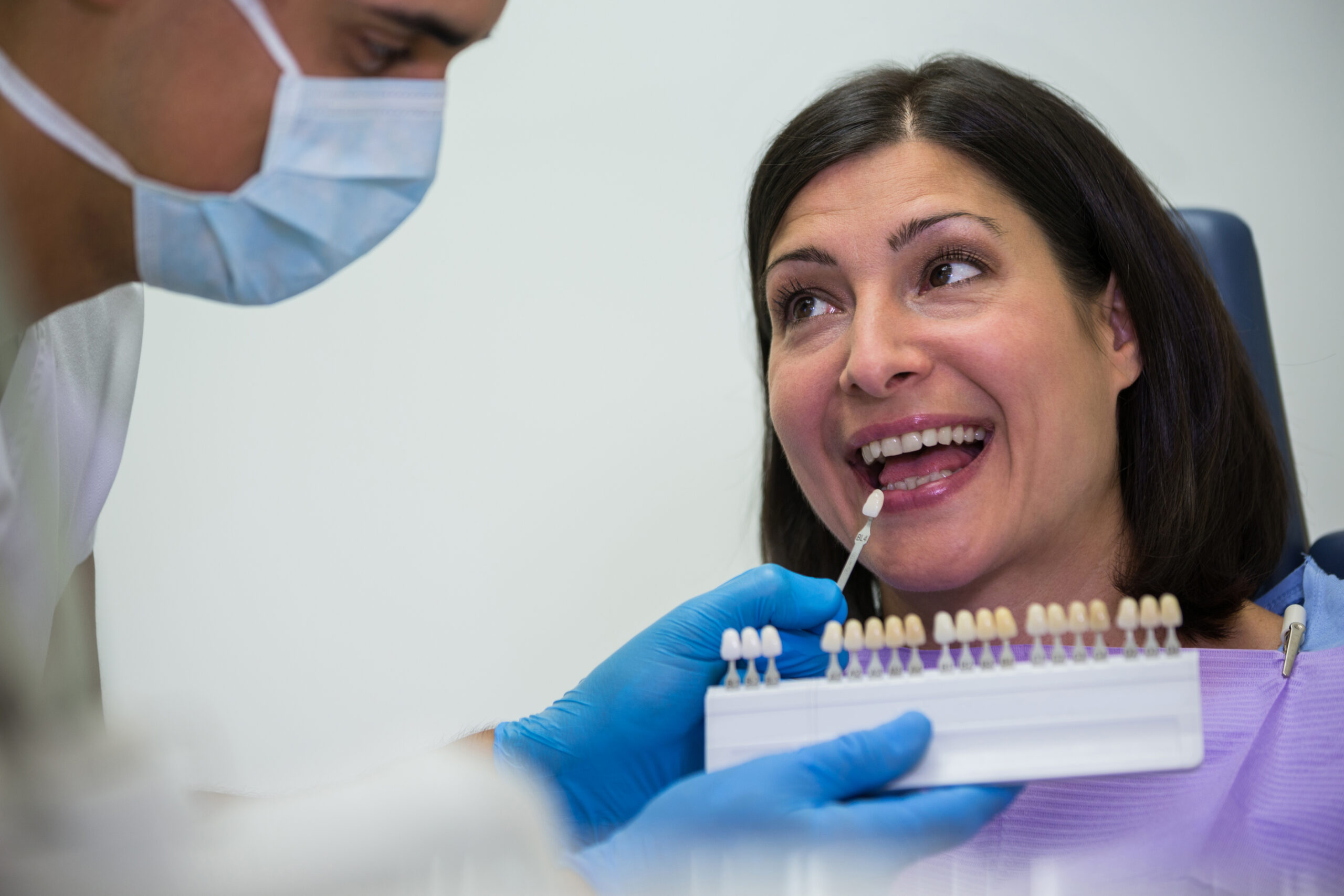
Dental veneers are thin shells made from porcelain or resin. Dentists place them on the front surface of your teeth. Usually, veneers are used to fix chipped, stained, or slightly crooked teeth. Because they are very thin, they do not require much removal of your natural tooth. Veneers are a popular choice for people who want a quick smile makeover. According to the American Dental Association, veneers can last many years with proper care.
What Are Dental Crowns?
Dental crowns are caps that cover the entire tooth. Dentists use crowns to restore teeth that are badly damaged or decayed. Unlike veneers, crowns protect the whole tooth, not just the front. Crowns can be made from porcelain, metal, or a mix of both. Often, crowns are used after root canal treatment or when a tooth is too weak for a filling. Crowns are strong and can last a long time with good oral care.
Key Differences Between Dental Veneers and Dental Crowns
Because of these differences, your dentist will recommend one over the other based on your needs.
Benefits and Drawbacks of Each Option
Dental Veneers
Dental Crowns
Still, both options can improve your smile and boost your confidence.
How to Choose: Factors to Consider
Choosing between dental veneers and dental crowns depends on several factors. For example, consider the following:
Because every smile is unique, it is important to talk with your dentist about your goals.
Cost Comparison
Cost is a key factor for many people. On average, dental veneers cost between $800 and $2,500 per tooth. Dental crowns usually cost between $1,000 and $3,000 per tooth. Prices depend on the material, the dentist’s experience, and your location. While insurance may cover crowns for medical reasons, veneers are often seen as cosmetic and may not be covered. Always check with your dental insurance provider before starting treatment.
Frequently Asked Questions
Conclusion and Next Steps
In summary, both dental veneers and dental crowns can improve your smile. However, they serve different needs. Veneers are best for minor cosmetic changes, while crowns are better for damaged teeth. Because every mouth is different, it is wise to consult a qualified dentist. They can help you choose the best option for your smile makeover and long-term dental health.
Ready to improve your smile? Consult a qualified dentist at Sri krishna dental clinic to determine the best option for your smile.