
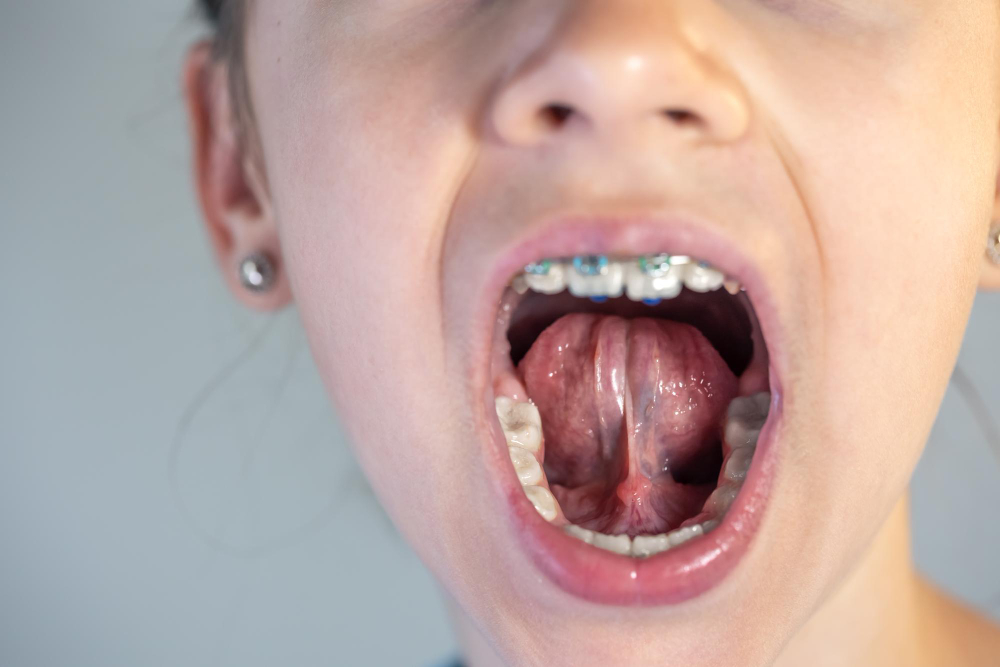
What is Tongue Tie?
Tongue tie, also called ankyloglossia, is a condition present at birth. In this condition, the strip of tissue under the tongue is shorter or tighter than usual. Because of this, the tongue cannot move freely. Tongue tie can affect eating, speaking, and oral hygiene. Although some children have mild cases, others may need treatment. Early detection helps prevent problems later. According to the CDC, tongue tie affects about 4-11% of newborns.
Symptoms of Tongue Tie
Symptoms of tongue tie can vary. Some people have no issues, while others notice problems early. For example, babies may have trouble breastfeeding. Older children or adults may have speech or eating difficulties. Common tongue tie symptoms include:
However, not everyone with tongue tie will have all these symptoms.
Causes and Risk Factors
Tongue tie happens when the tissue under the tongue, called the lingual frenulum, does not separate as it should. As a result, the tongue remains attached to the floor of the mouth. The exact cause is not always known. However, some risk factors include:
Although tongue tie is present at birth, not all cases are severe. Some children outgrow mild tongue tie as they get older.
How Tongue Tie is Diagnosed
Doctors diagnose tongue tie by looking at the mouth and tongue. Usually, a pediatrician, dentist, or ENT specialist checks for tongue movement. In many cases, they will:
Sometimes, a speech therapist may help with the diagnosis. Early diagnosis can help prevent feeding or speech issues.
Treatment Options for Tongue Tie
Treatment for tongue tie depends on the severity and symptoms. Some children do not need treatment if they have no problems. However, if tongue tie causes feeding or speech issues, doctors may suggest:
According to the WHO, these procedures are safe and effective when done by trained professionals.
Living with Tongue Tie: Tips and Guidance
Living with tongue tie can be manageable. However, some tips can help make daily life easier:
Additionally, support from family and healthcare providers can make a big difference. If you notice new symptoms, speak with your doctor.
Prevention and Early Detection
Currently, there is no way to prevent tongue tie. However, early detection is important. For example, newborns should have their mouths checked soon after birth. If feeding problems appear, ask your doctor to check for tongue tie. Early treatment can prevent future issues with speech or eating.
Frequently Asked Questions
In summary, tongue tie is a common condition that can affect feeding and speech. However, early detection and proper treatment can help. Consult a specialist at Sri krishna dental clinic for personalized advice on tongue tie.