What Are Oral Ulcers?
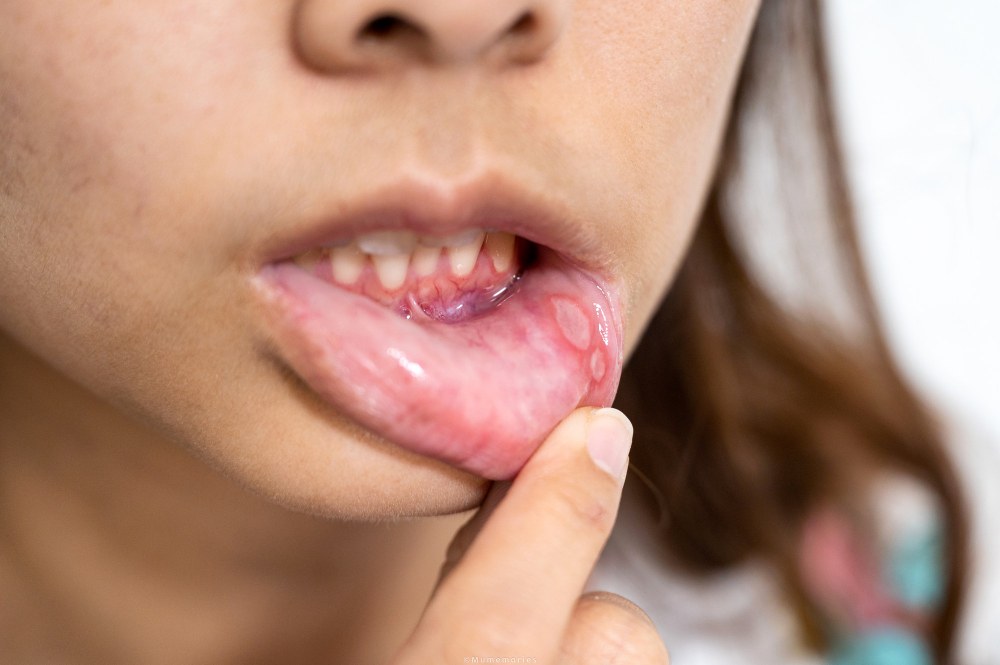
Oral ulcers, also called mouth sores, are small, painful spots inside the mouth. These sores can appear on the tongue, gums, lips, or inner cheeks. Usually, oral ulcers are round or oval with a white or yellow center. The area around the sore may look red and swollen. Most oral ulcers are not serious and heal on their own. However, some can be a sign of other health problems. Because they can make eating and talking hard, it is important to know how to manage them.
Common Symptoms of Oral Ulcers
Oral ulcers often cause discomfort. However, symptoms can vary from person to person. Here are some common signs:
Sometimes, mouth sores can come back again and again. If you notice this, it may be helpful to track your symptoms.
Causes and Risk Factors
There are many reasons why oral ulcers develop. For example, minor injuries from biting your cheek or brushing too hard can cause them. But other factors may also play a role. Here are some common causes and risk factors:
In addition, some people may get canker sores more often due to family history.
Diagnosis: How Oral Ulcers Are Identified
Most of the time, a dentist or doctor can diagnose oral ulcers by looking at them. However, if the sores last longer than two weeks or keep coming back, further tests may be needed. For example, your doctor may:
Early diagnosis can help rule out serious conditions, such as oral cancer or infections.
Treatment Options for Oral Ulcers
Most oral ulcers heal on their own within one to two weeks. However, treatment can help reduce pain and speed up healing. Here are some common options:
Sometimes, your dentist may suggest special treatments if the sores are large or do not heal. Always follow your doctor’s advice for the best results.
Home Care and Lifestyle Tips
While oral ulcers can be painful, you can take steps at home to feel better. For example, try these tips:
In addition, avoid tobacco and alcohol, as they can slow healing.
Prevention Strategies
Although not all oral ulcers can be prevented, you can lower your risk with simple steps. For instance:
By following these habits, you can help keep your mouth healthy and reduce the chance of mouth sores.
When to See a Dentist or Doctor
Most oral ulcers are harmless and heal quickly. However, you should see a dentist or doctor if:
Early care can help rule out serious problems and provide the right treatment.
If you have persistent oral ulcers, consult a dental specialist at Sri krishna dental clinic for personalized advice.