Introduction to Removable Partial Dentures
Many people lose teeth due to injury, decay, or age. For those with some missing teeth, removable partial dentures can help. In fact, understanding the types of removable partial dentures is important when choosing the best option for your smile. This guide explains what these dentures are, their types, and how to care for them.
What Are Removable Partial Dentures?
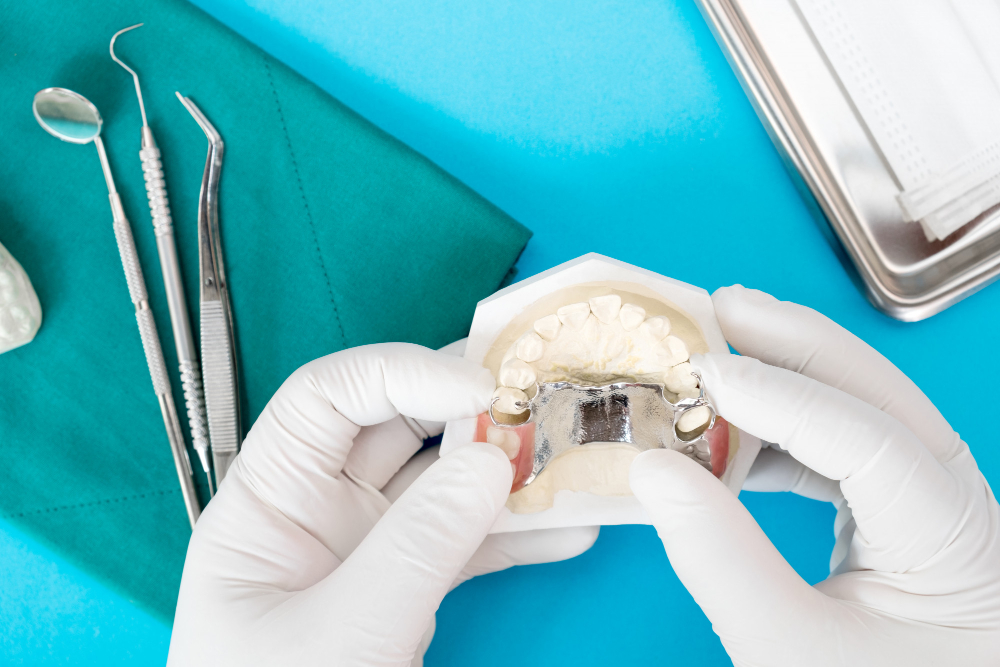
Removable partial dentures, or RPDs, are dental devices. They replace one or more missing teeth. Unlike full dentures, RPDs fill gaps while keeping your natural teeth. Usually, you can take them out for cleaning or sleeping. Because they restore your smile and help with chewing, many people find them helpful. According to the World Health Organization, replacing missing teeth can improve both health and confidence.
Main Types of Removable Partial Dentures
There are three main types of removable partial dentures. Each type has its own features, benefits, and drawbacks. Let’s look at each one in detail.
Acrylic Partial Dentures
Acrylic partial dentures use a pink plastic base. This base holds the replacement teeth. Often, small metal clasps help keep them in place. Because they are easy to make and adjust, dentists may use them as a temporary solution.
Usually, acrylic partial dentures suit people who need a short-term fix. For example, they may be used while waiting for a more permanent denture.
Cast Metal Partial Dentures
Cast metal partial dentures have a thin metal framework. The metal is covered with gum-colored plastic and artificial teeth. Because of their strong design, they last longer and fit better than acrylic types.
These are often the best partial dentures for missing teeth if you want a long-lasting solution. Dentists recommend them for people with healthy gums and several missing teeth.
Flexible Partial Dentures
Flexible partial dentures use a soft, bendable plastic. They do not have metal parts. Instead, they grip the gums and teeth gently. Because they are flexible, many people find them more comfortable.
Flexible dentures are good for people who want a gentle, natural-looking option. However, they may not suit everyone, especially if you need a very strong denture.
Which Type Is Right for You?
Choosing the right type depends on your needs. For instance, if you want a quick fix, acrylic may work. If you need strength and comfort, cast metal is often best. Flexible dentures are great for comfort and appearance. However, your dentist will help you decide based on your mouth, budget, and health.
Care and Maintenance Tips
Proper care keeps your dentures clean and your mouth healthy. Here are some simple tips for removable partial dentures care:
With good care, your dentures will last longer and feel better.
Common Questions and Misconceptions
Preventing Oral Health Issues with Dentures
Even with dentures, you must care for your mouth. For example, clean your dentures and gums every day. Also, avoid sticky or hard foods that may damage your dentures. Because regular dental visits catch problems early, make sure to see your dentist often. The Centers for Disease Control and Prevention (CDC) recommends regular oral care to prevent gum disease and other issues.
When to Consult a Dentist
If you have missing teeth, talk to a dental specialist. They can explain the types of removable partial dentures and help you choose the best one. Also, see your dentist if your dentures hurt, feel loose, or break. Early help prevents bigger problems later.
Conclusion
Removable partial dentures offer many choices for replacing missing teeth. Each type has its own pros and cons. With the right care, they can restore your smile and help you eat better. Consult a dental specialist at Sri Krishna Dental Clinic to find the best removable partial denture option for your needs.